
The truck was one of two examples Eric Voss gave on the panel on 4 November. The rule comes from EU emissions legislation and has a clear purpose: cleaner exhaust. In military use, it leaves gaps in availability and adds risk and effort to the logistics chain.
The other example pointed in the opposite direction. Germany already has capabilities that military mobility does not yet use, for instance the dense dealer networks of its car makers, with workshop capacity and spare-parts logistics.
Ahead of the panel, Eric had summed up his view:
"Europe doesn't lack ideas. It lacks speed. Automotive engineering has spent decades building systems that work under pressure and at volume. That is exactly what military mobility needs now if we want to protect a free and democratic Europe."
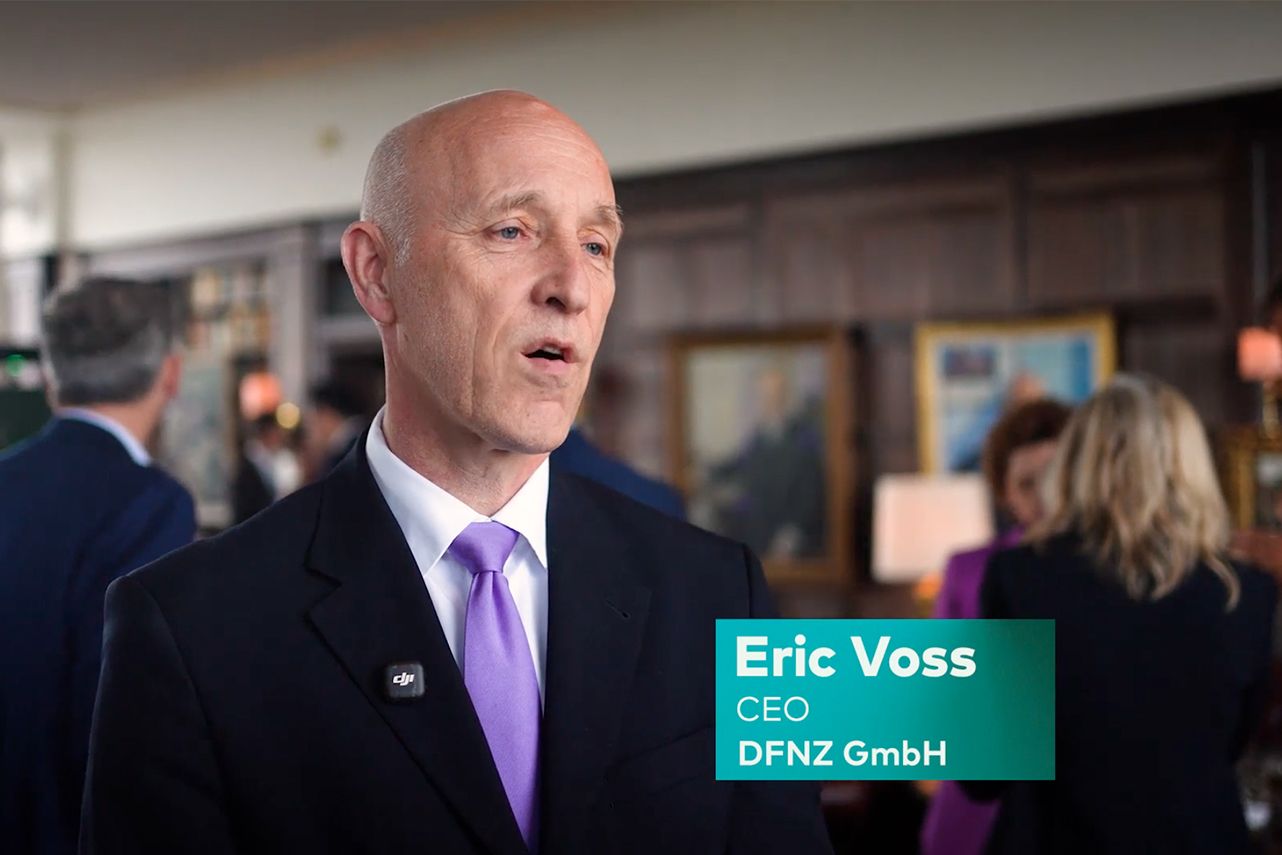
Eric Voss, CEO, DFNZ
A demonstrator built on our own initiative
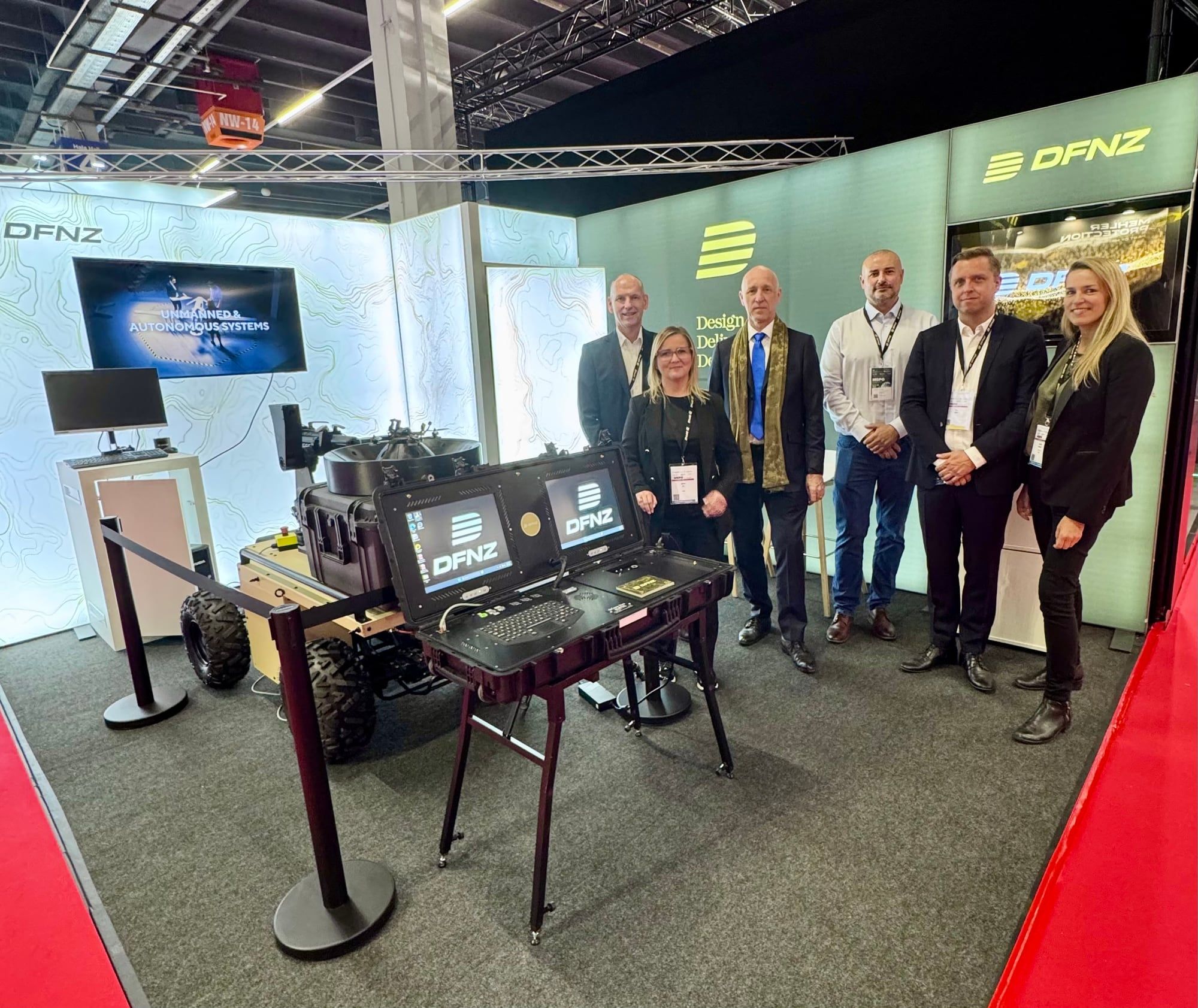
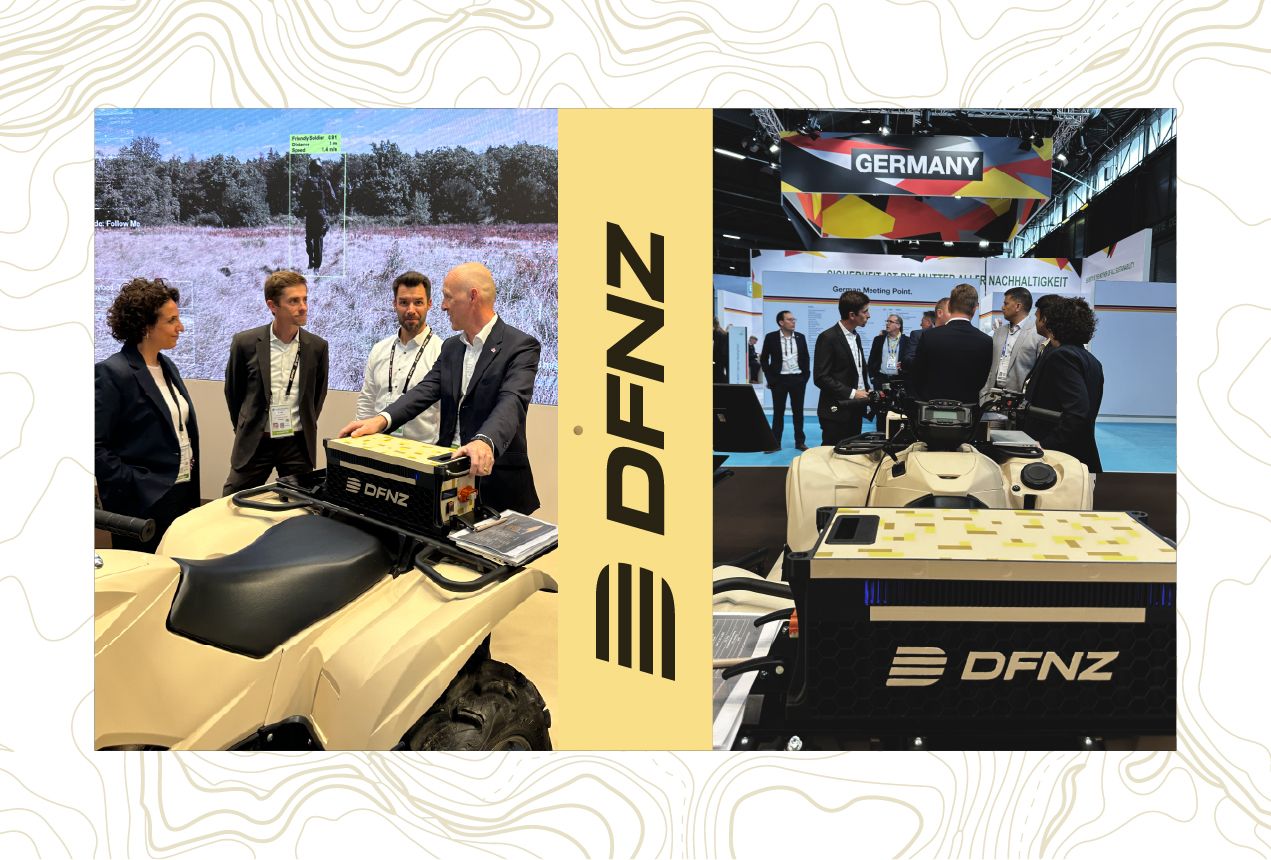
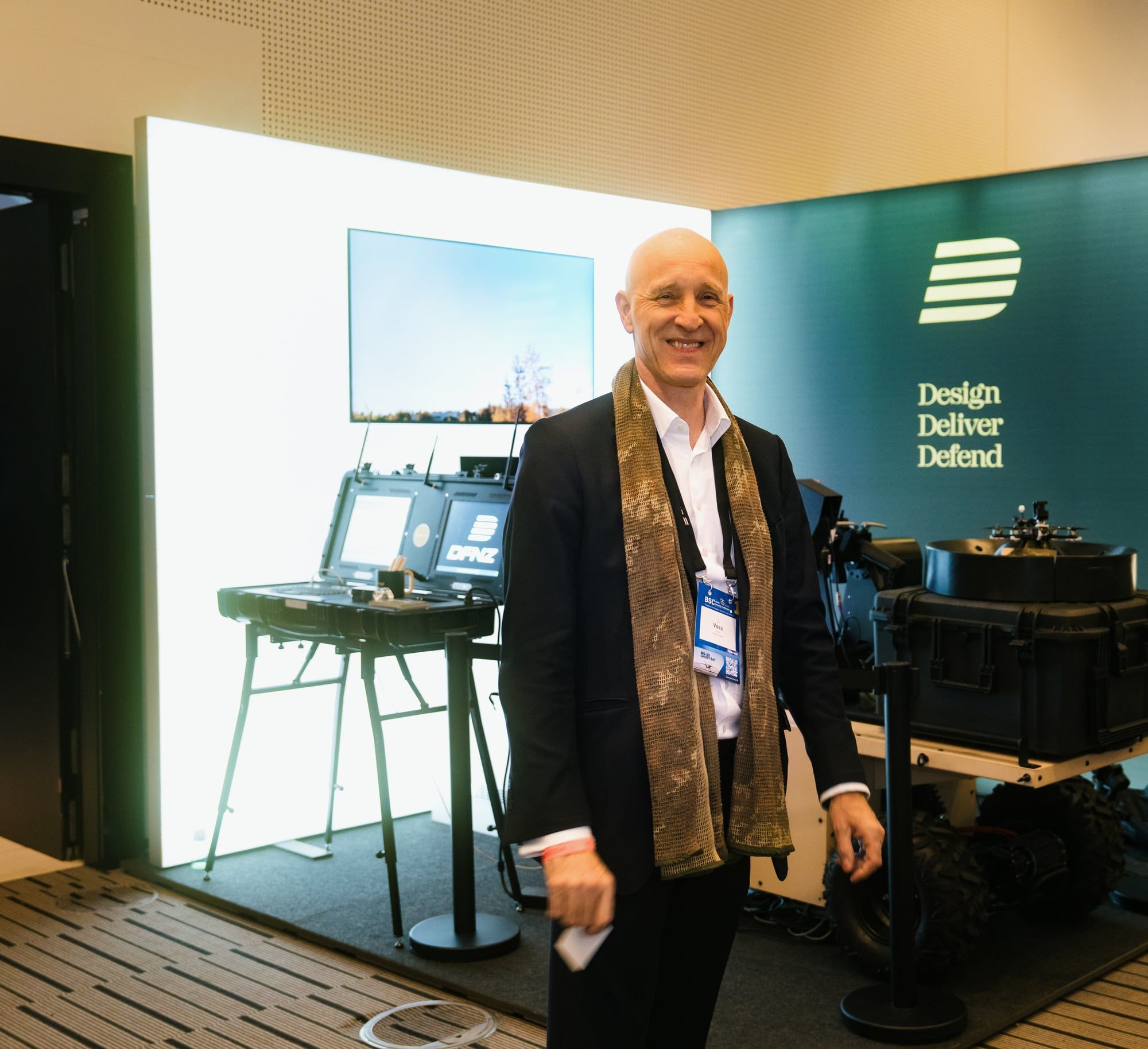
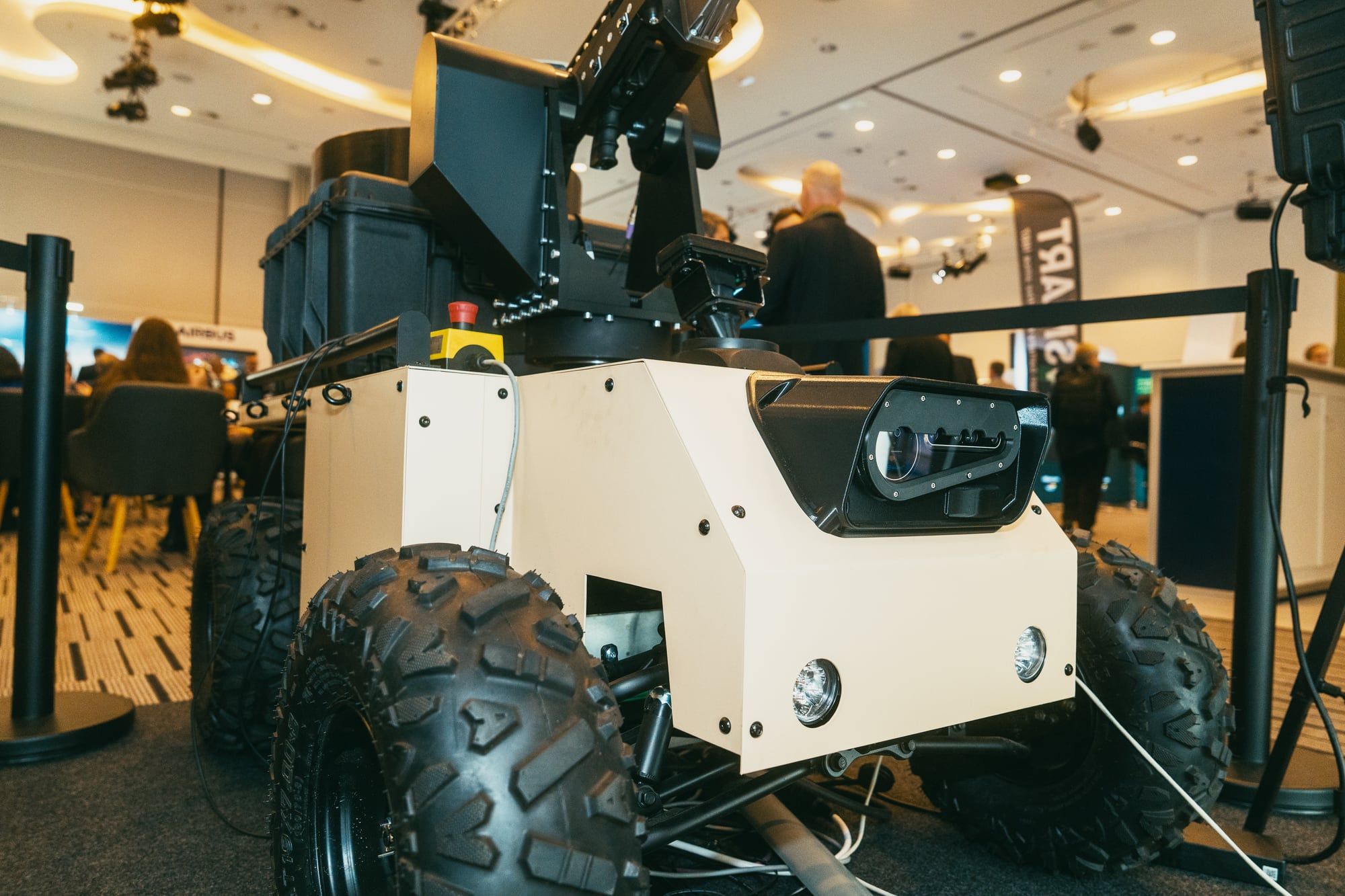
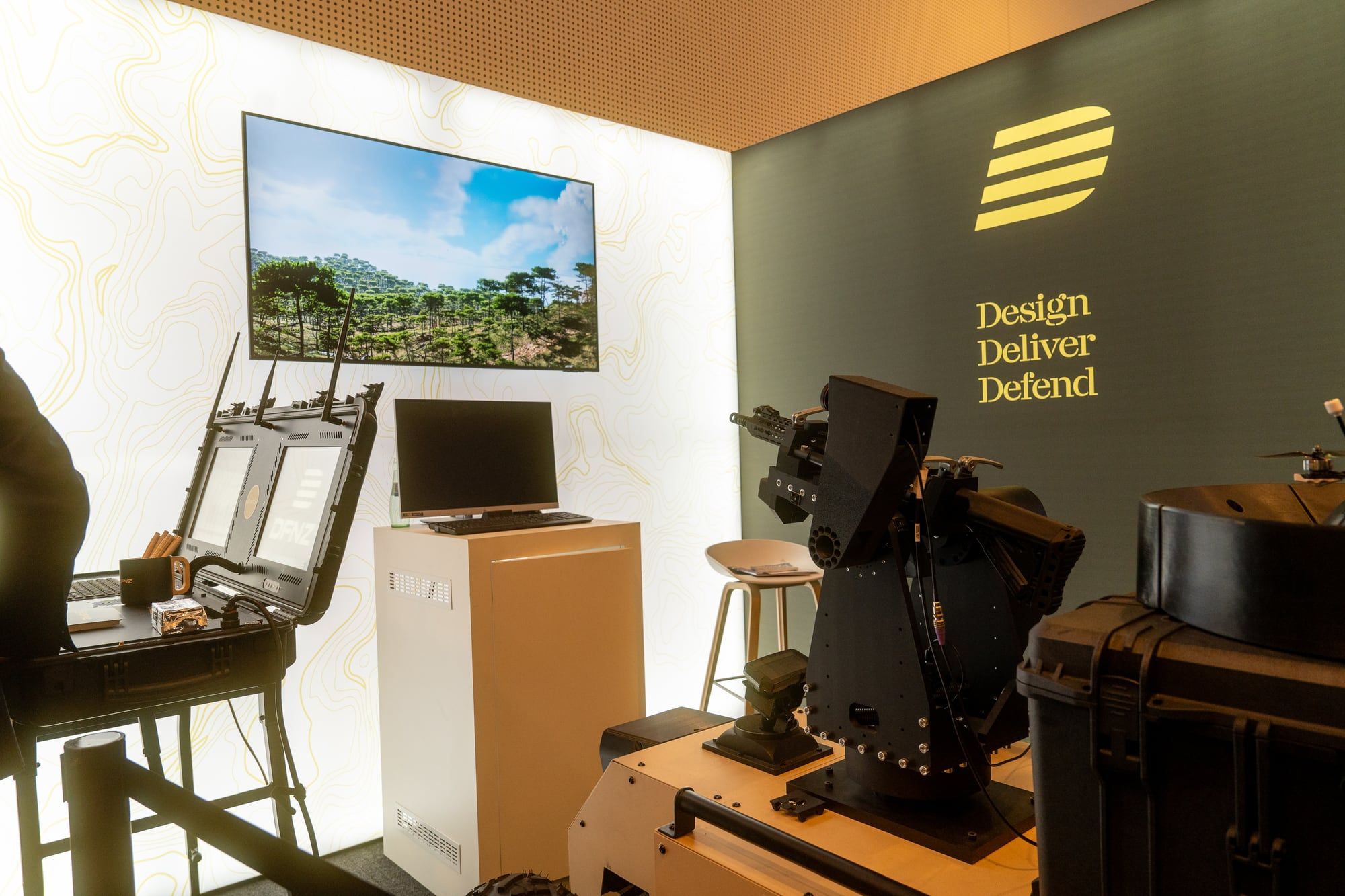
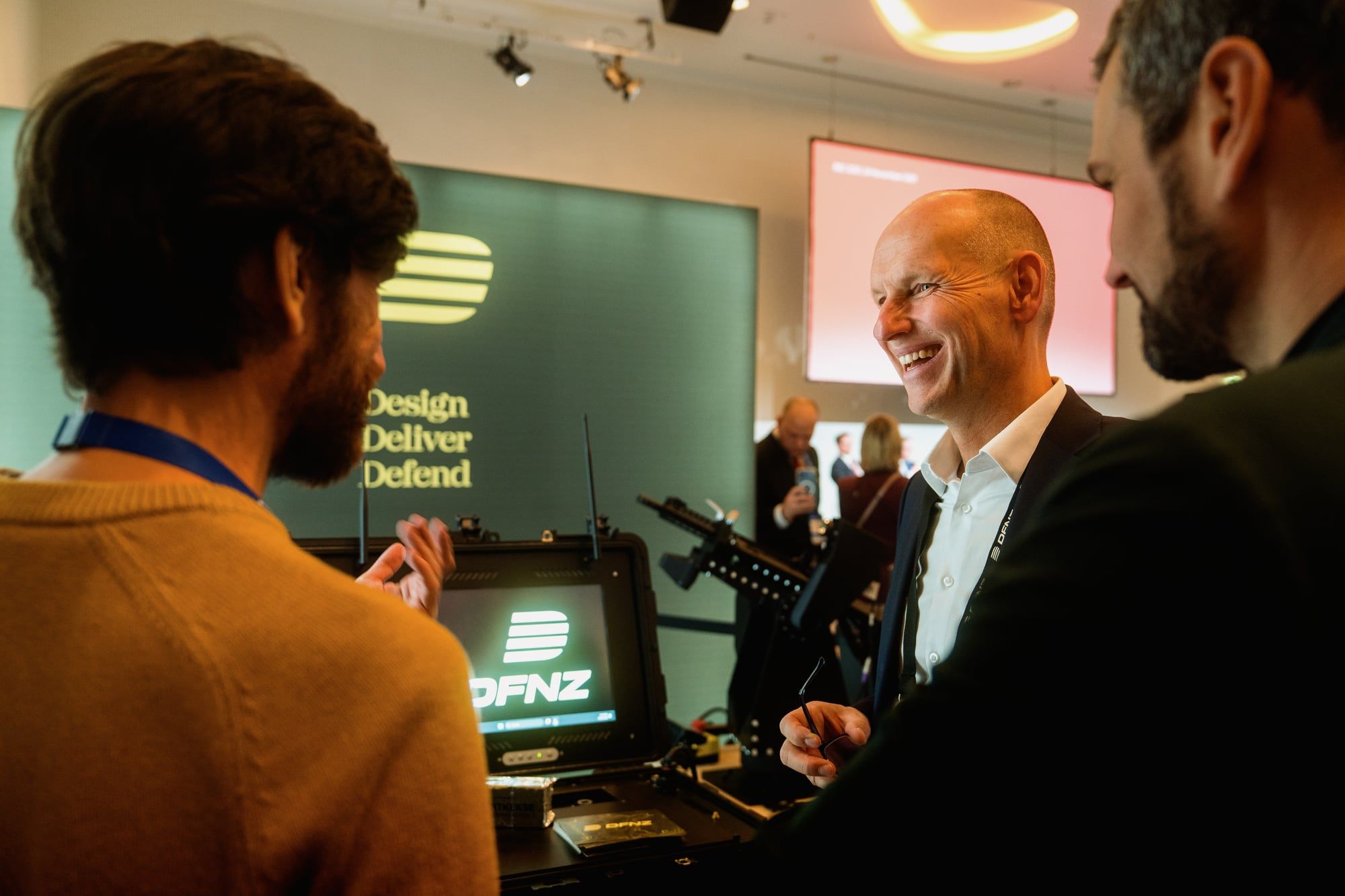
On stand 46, DFNZ showed its Rover, an unmanned ground vehicle: electric, quiet and light, operated remotely so that the operator stays out of harm's way. DFNZ developed it on its own initiative and with its own funds, as a technology demonstrator, because it wants to lead in defence technology.
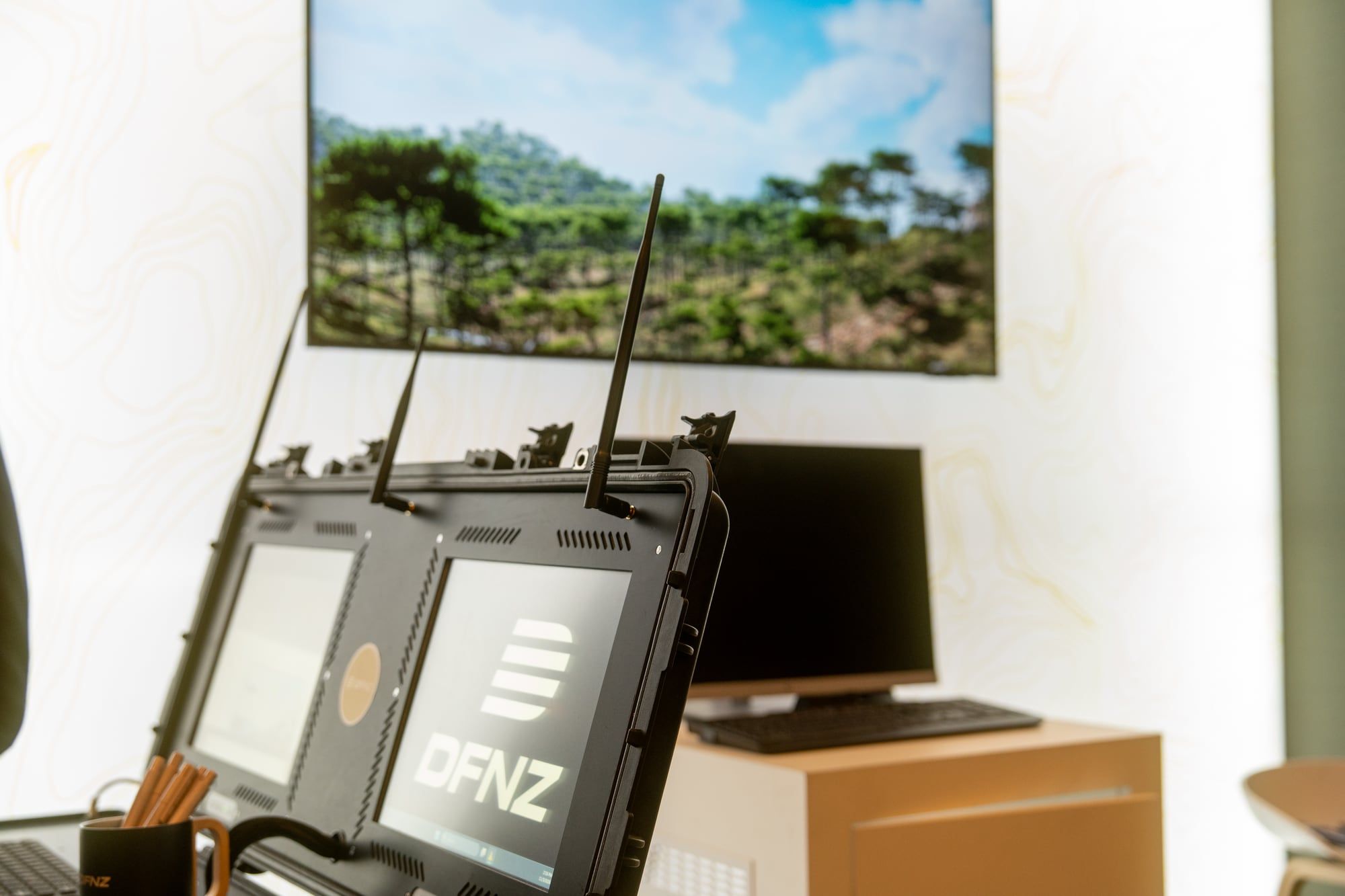
In the demo, the Rover itself stands still. Only the turret moves. The AI-based camera recognises a simulated drone on the screen, the turret follows it, and the screen shows the drone's most likely flight path. The system is trained for drones only. Vehicle and turret are separate modules, and the turret is our own.
What visitors asked
"Can I buy it?" "What kind of optronics is that?" "Can you attach a different turret?" "How far and how fast does it drive?" Those were the questions at the Rover. Others wanted to know what DFNZ is and where it comes from. Visitors came from procurement, system houses, armed forces, politics and industry associations, and many were surprised by how much we can already show.
Why an automotive company is part of this conversation
DFNZ grew out of the automotive engineering company IAV, where camera-based perception and electric drive are everyday work. The Rover applies both. Both examples from the panel are about the environment around a vehicle: rules, workshops, spare parts. That is where automotive experience counts: systems that have to work under pressure, at volume.
DFNZ designs and delivers defence technology, from single functions to a working system: software for military vehicles, autonomous driving functions, object recognition, cyber security and C-UAS. The aim is system competence that helps integrators deliver.
DFNZ can already contribute to modernising defence systems, from innovation and development to integration and production.
Questions about range, speed, sensors or buying are best answered directly. Let’s continue the conversation - write to us.
Design. Deliver. Defend.
About DFNZ: DFNZ builds on decades of automotive engineering experience by IAV. The same principles that make vehicles safe, efficient and reliable, from real-time perception to energy management, are what DFNZ brings to defence applications on land, at sea and in space.
Photo credits: Basti Wöhl