You have a system that works. Qualified, tested, convincing in the demo. And then the programme plan calls for a quantity your production cannot deliver, a supplier who becomes a risk the moment you ramp, and a variant matrix nobody will be able to manage three years from now.
If that sounds familiar: it is exactly what we spent four days discussing in Kielce.
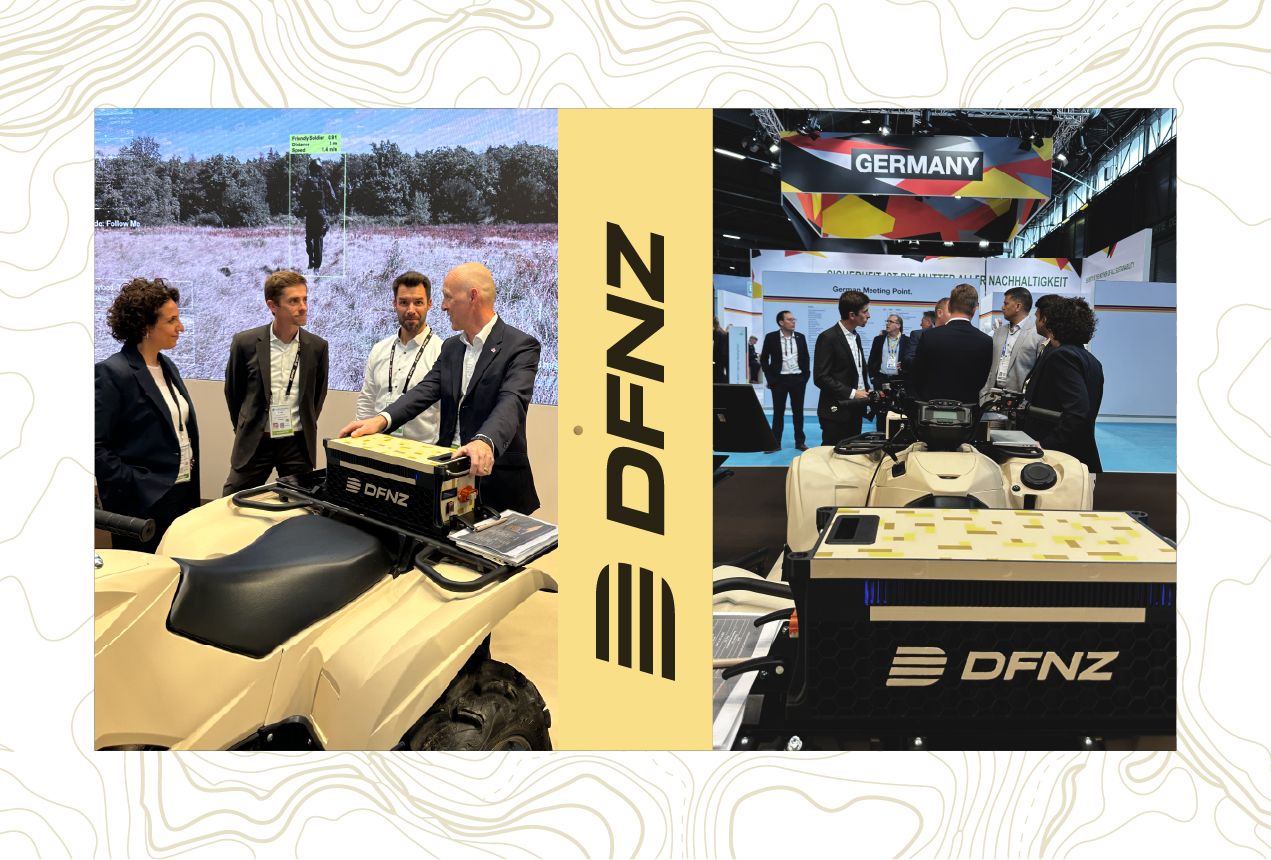
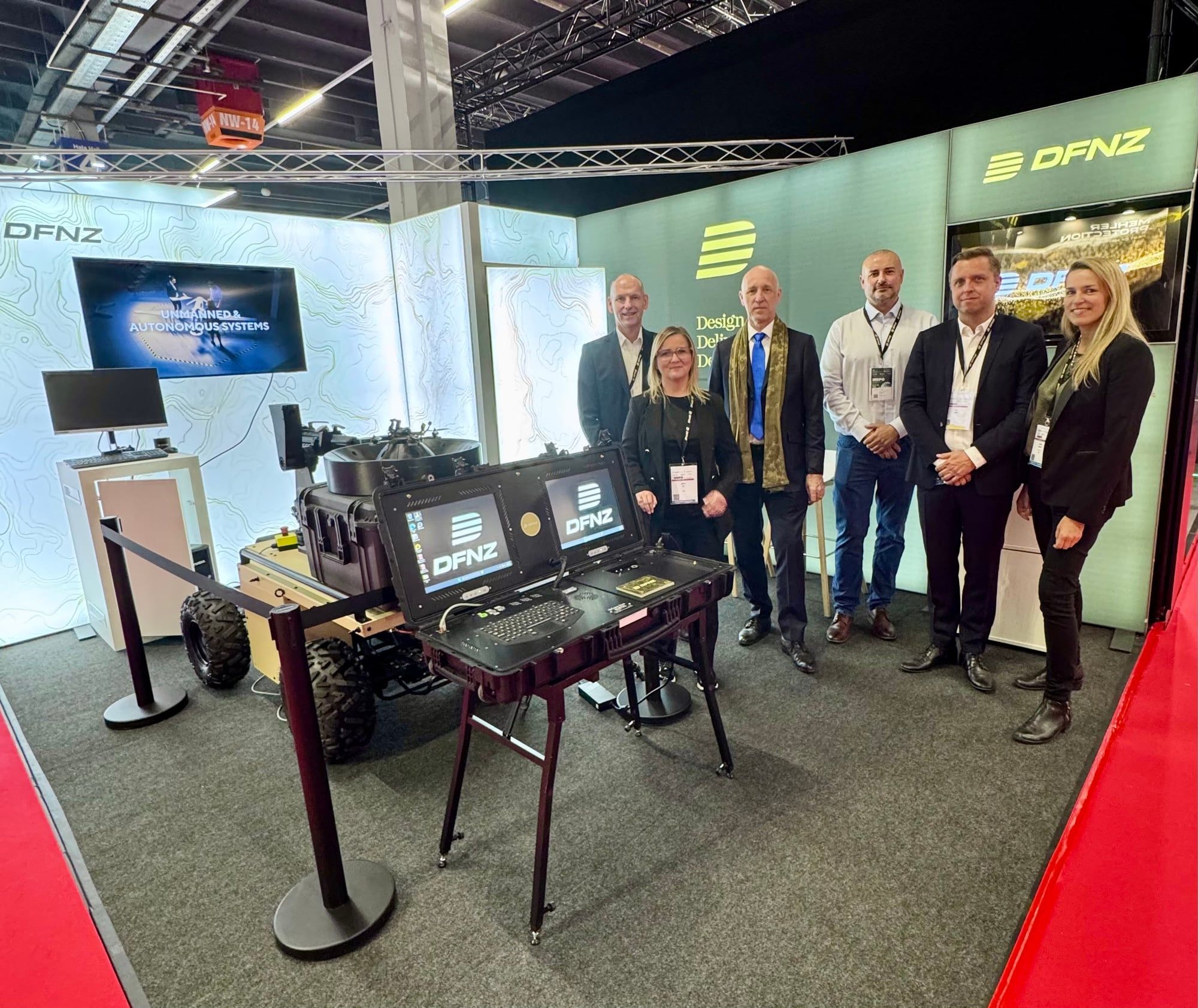
From 8 to 11 September, DFNZ was at MSPO together with IAV Poland, with a focus on heavy equipment and land systems for the eastern flank. Across dozens of conversations with programme leads, procurement teams and industry partners, the same pattern emerged. The technology question is largely answered. The bottleneck sits one step later on the road from a qualified system to a reliable series.
What we take on
We bring the serial-production discipline of the automotive industry into your programme — not instead of the system houses and primes we work with, but alongside them:
Design for manufacture, before engineering decisions lock in your unit cost. Robust E/E architectures that carry a decade of variants. Industrialisation and supplier qualification for the ramp from a handful of units to thousands. And lifecycle support that still holds once the system is in the field.
Where your requirements are heading
Interest from Eastern Europe in multidimensional sensing was particularly strong in Kielce. The discussion was rarely about innovation for its own sake, almost always about the practical question of what works in the field and what does not. The concept that drew the most attention was unmanned ground vehicles using acoustic detection to identify approaching drones, with reaction times in the low single-digit seconds. Giving unmanned systems more senses, and combining those senses intelligently, is a direction our customers are actively pushing us in. It will shape a substantial part of our development work in the years ahead.
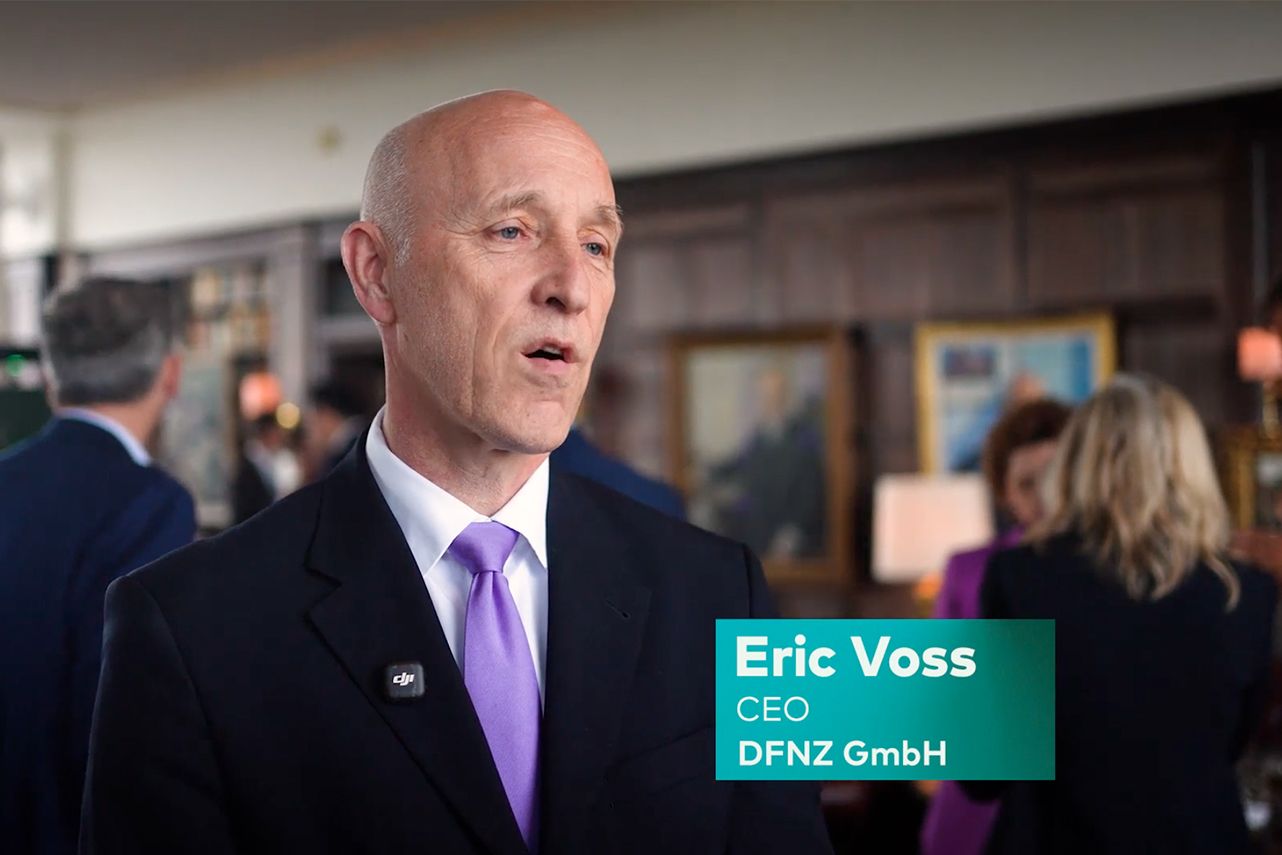
“On the eastern flank, nobody needs convincing that delivery speed matters,” says Eric Voss, Managing Director of DFNZ. “The open question is who can actually deliver at rate, reliably, in relevant numbers, and across the full lifecycle. That is the part we take on.”
Your next step
If ramp-up is the bottleneck in your programme, send us the problem. We will look at where it binds and tell you honestly whether we are the right partner for it.
Design. Deliver. Defend.