Simulation teaches theory. Pressure teaches everything else.
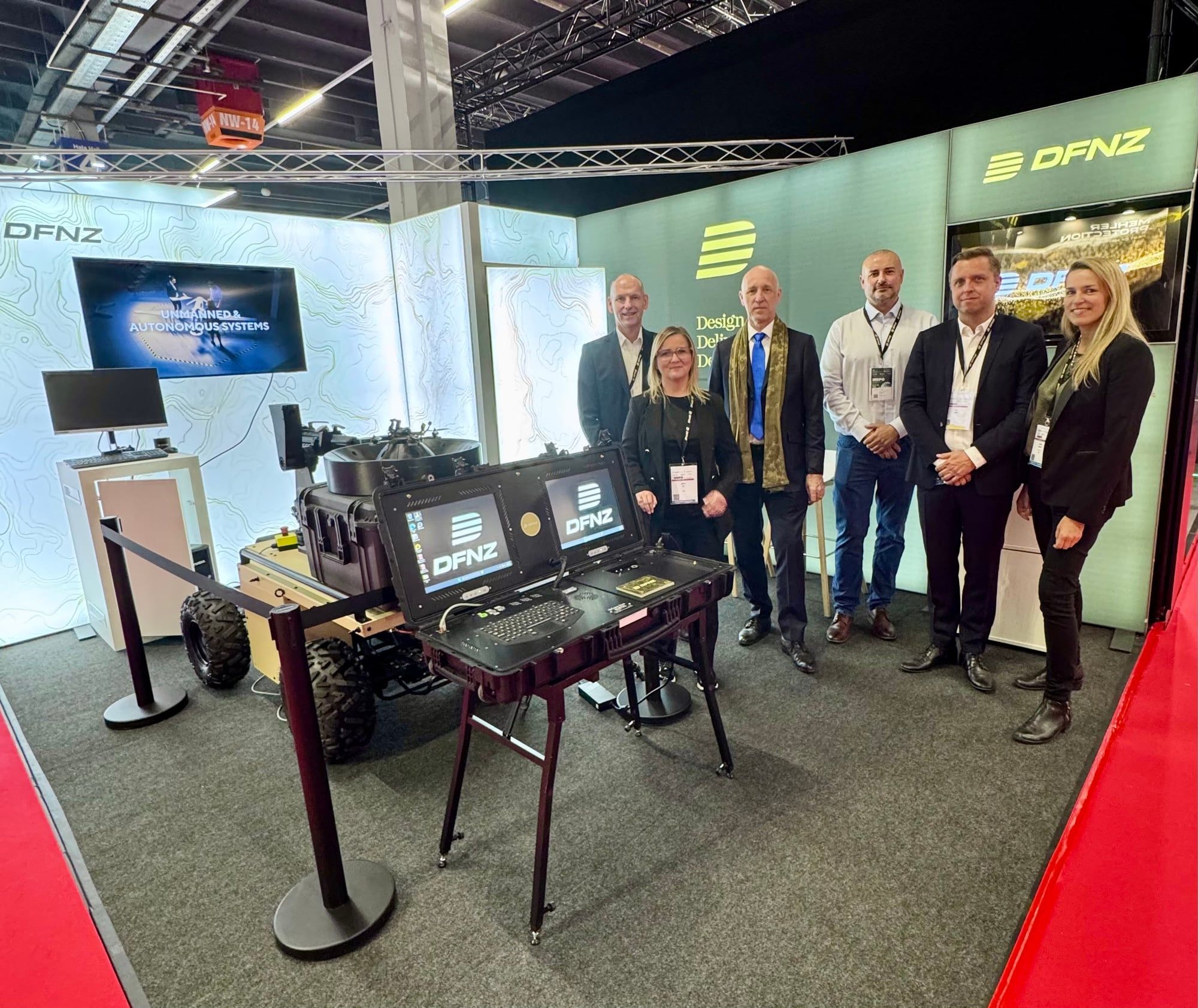
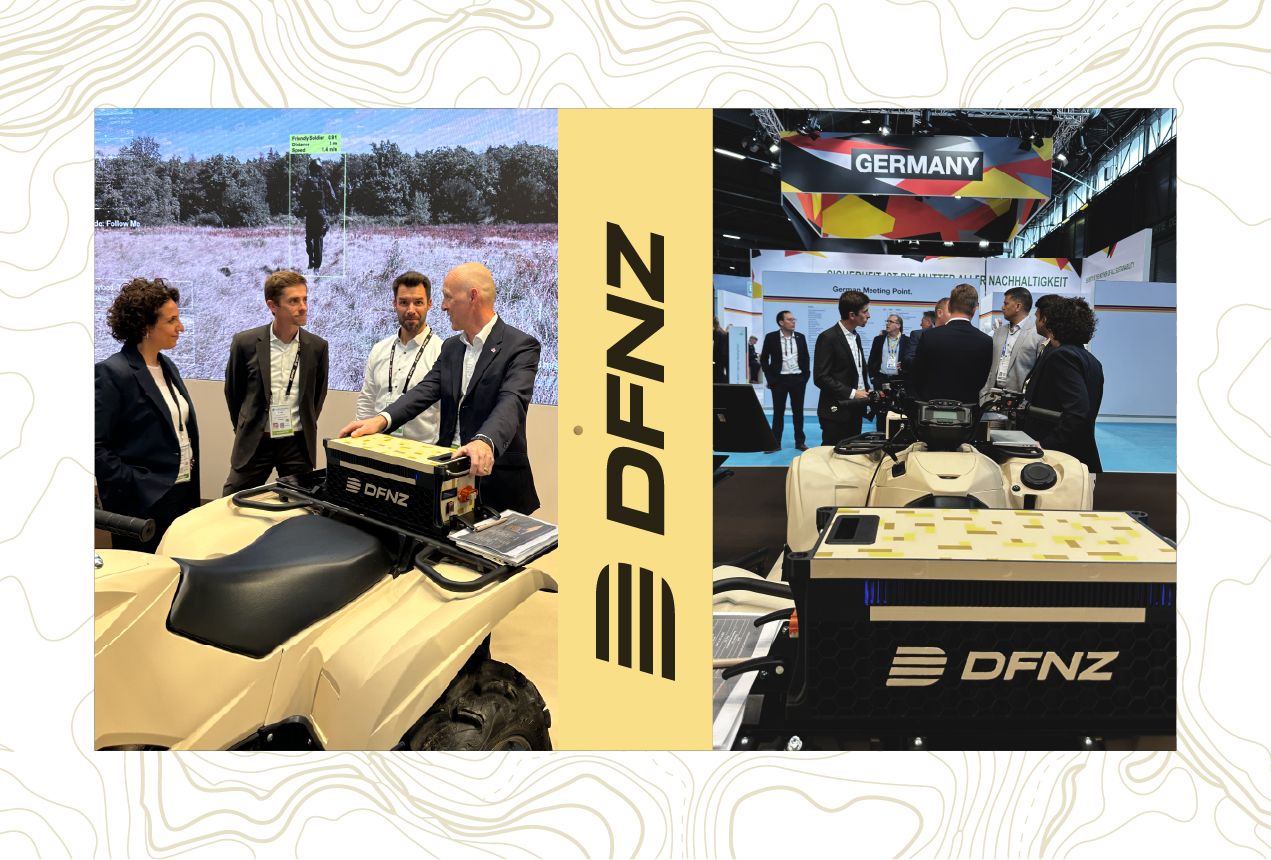
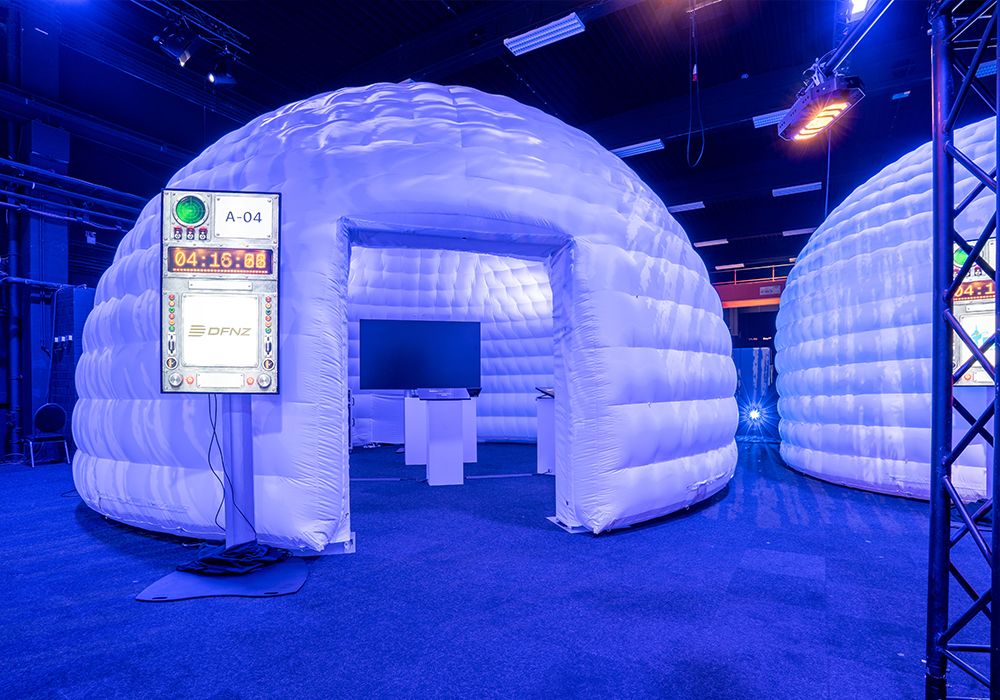
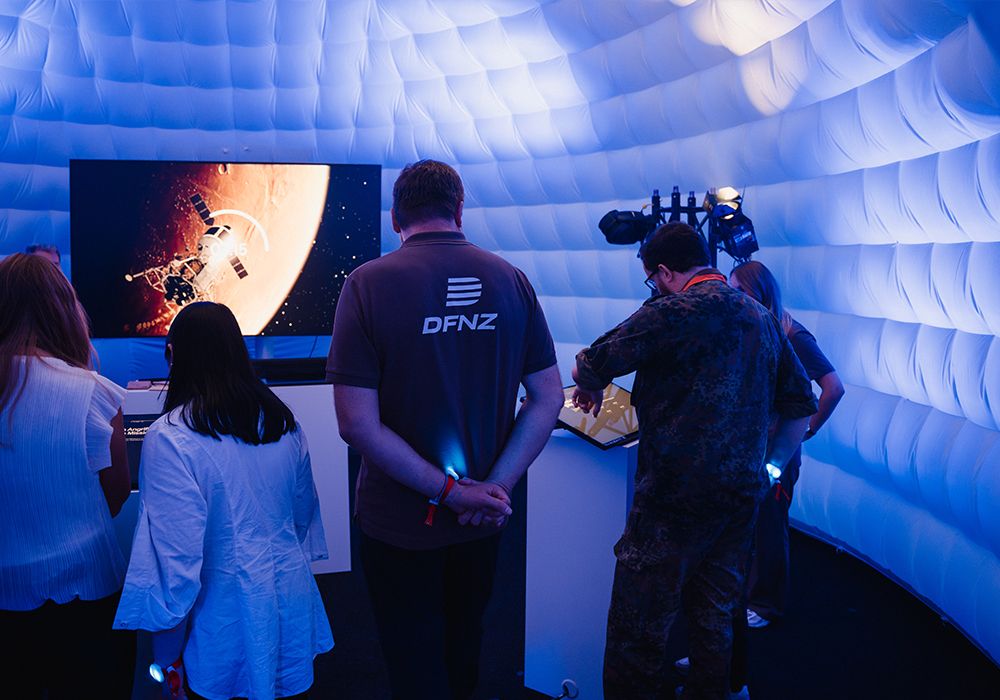
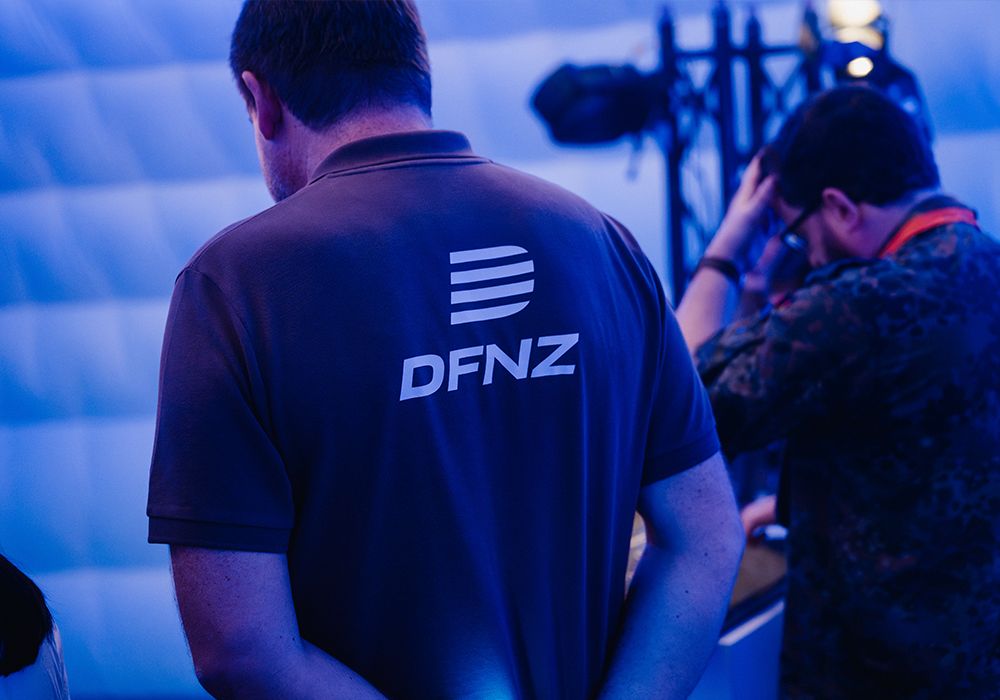
At Mission K in Kalkar on September 29 and 30, 2026, DFNZ built and deployed a live cyber-incident training scenario. Not a panel. Not a lecture. A real-time, pressure-tested experience where teams faced a Mars ground station breach, had ten minutes to detect a supply-chain vulnerability, and had to execute a patch-management decision under a ticking clock.
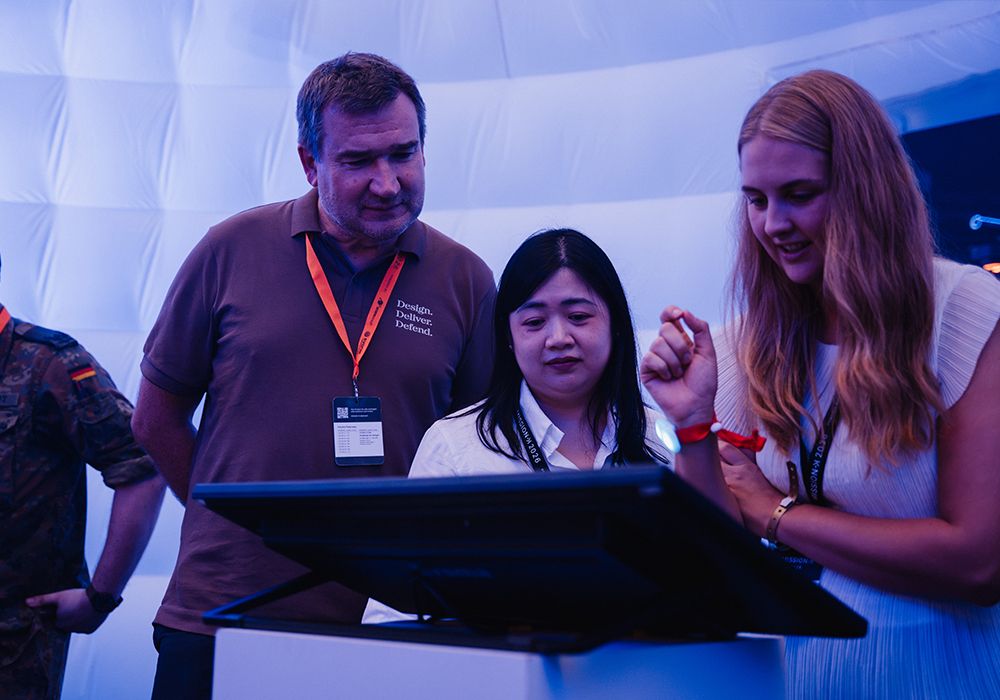
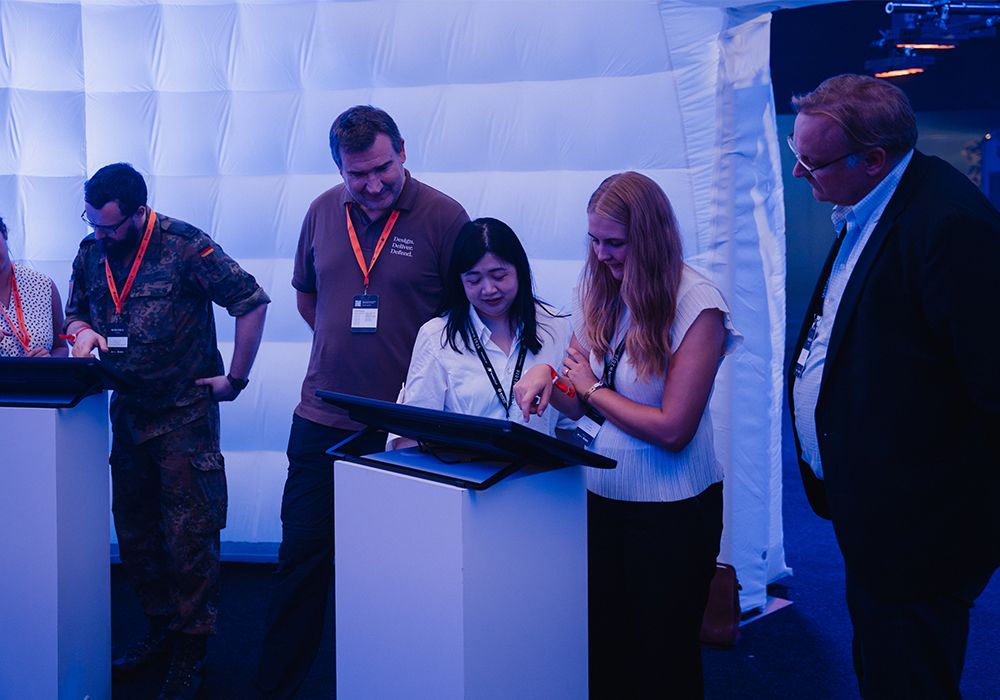
Three teams ran through the scenario. All three walked away with something no classroom training delivers: the muscle-memory pattern recognition that comes from making critical decisions when the stakes are real and the time is short.
This is what DFNZ builds. And this is what we can build for your organization.
WHY PRESSURE-TESTED TRAINING WORKS
Defense operators don’t face calm decision environments. They face incomplete information. Time pressure. Consequences. When a cyber incident is happening in a live system, there’s no pause button, no hints, no second chance. Your team has to recognize the pattern, calculate the right response, and execute—all while the clock is running.
Most cyber training teaches theory. Workshops walk teams through incident-response frameworks. Certifications cover vulnerability classifications. But when a real breach happens and your operator has sixty seconds to recognize what they’re seeing, the frameworks fade. The patterns they relied on under pressure—those are what stick.
This is the gap DFNZ fills. We build scenarios that mirror the decision-making environment of real incidents. Teams enter without preparation. They face incomplete data. They have a defined time window. They make the choices that matter. That pressure becomes the teacher.
THE MISSION K SCENARIO: SUPPLY-CHAIN ATTACK AT 200 MILLION KILOMETERS
The scenario DFNZ deployed was grounded in real defense problems. A Mars ground station. Autonomous critical infrastructure. Suddenly, the monitoring dashboard shows anomalies—signal degradation, failed authentications, unexpected source IPs. The clock is running. Communication will be lost in ten minutes.
Teams had to navigate three interlocking challenges:
Situational Awareness. The dashboard was full of data. Which anomalies mattered? Which were noise? Teams had to recognize a supply-chain attack unfolding from incomplete information—exactly as operators must do when a breach is happening.
Patch Management. Module 3B was running version 0.4. It hadn’t been patched in 90+ days. This is the classic supply-chain vulnerability: critical systems running outdated software, invisible until the moment they’re exploited. Teams had to identify it, isolate it, and prioritize its remediation in real time.
Post-Quantum Encryption. With the module compromised, teams had to select the correct cryptographic response. Not AES. Not RSA. ML-KEM—the post-quantum standard. The clock was running. The decision had to be correct, not just fast.
Ten minutes. Detection. Isolation. Remediation. Or everything goes dark.
WHAT MADE IT WORK
Three things:
First, no simulation wrapper. Teams weren’t solving a puzzle game that resembled an incident. They were running through the exact decision sequence that defines real incident response. Supply-chain vulnerabilities are real. Patch-management decisions happen under pressure. Post-quantum cryptography is moving from theoretical to operational right now.
Second, time pressure as a teaching tool. When a team has ninety seconds to identify a vulnerability and thirty seconds to execute a patch while a countdown approaches zero, they develop pattern-recognition skills that emerge from actual decision-making. Those patterns don’t fade. They become muscle memory.
Third, no rescue. No hints. No resets. Teams couldn’t “solve” the scenario by trying every option. They had to think, decide, act. That clarity—what it feels like to be right under pressure—is the training.
BUILDING SCENARIOS FOR YOUR ORGANIZATION
This is what DFNZ does. We work with defense organizations, technology companies, and critical-infrastructure operators to build pressure-tested training scenarios specific to your environment, your challenges, and your teams.
We design scenarios around your real vulnerabilities. Not generic cyber problems. Your supply-chain risks. Your patch-management windows. Your operational constraints. Your incident-response decisions.
We deploy them in whatever format serves your organization: live events with teams competing in real time, distributed scenarios teams run asynchronously, recurring training where new teams run the same scenario and learn the same patterns.
We measure what matters: not quiz scores or completion rates, but whether teams develop the pattern-recognition skills that define effective incident response under real pressure.
WHAT THIS DELIVERS
Teams that run through pressure-tested scenarios develop:
Pattern recognition under incomplete information. Operators learn to distinguish signal from noise when they’re making real decisions.
Decision-making clarity under time pressure. When the stakes are real and the clock is running, teams develop the confidence and speed that actual incidents demand.
Muscle memory for incident response. The decisions your teams make under pressure become the decisions they’ll make when a real breach is happening.
Situational awareness that sticks. Because unlike lectures that fade, the training they remember is the training where they had to think fast and decide decisively.
THE OPPORTUNITY
Your organization probably has incident-response procedures. You probably have training. What you might not have is training that teaches your teams what they’re capable of when the pressure is real.
DFNZ builds that training. We’ve proven it works at Mission K. We can build it for your organization.
Let’s talk about what your teams need to know. What decisions they’ll face under pressure. What patterns they need to develop. What a pressure-tested scenario would look like in your environment.
Because the best training is the training your teams remember. And they remember the training where they had to think, decide, and execute when it mattered.
That’s DFNZ. That’s what we build.
Photo credits: Nico von Nordheim